
2025 Sala Impact Report
Strength That Lasts, Care That Evolves
A look at how Sala's programs and services shaped safer, more compassionate care across Hassenfeld Children's Hospital this year.

Chapters
The Pillars of Compassionate and Safe Care
"Sala at a Glance"
Page 5
"From Then to Now"
Page 12
Support and Resilience Programs
"Human Side of Healing"
Page 15
Quality, Safety, and Experience
"Building Safer Care Together"
Page 19
"The Power Behind Sala"
Page 28
"Strength for Tomorrow"
Page 36
Team Listing
Page 40
Dear Friends of Sala,
We are proud to share the 2025 Impact Report for Sala Institute for Child and Family Centered Care. In a year shaped by meaningful transitions for Hassenfeld Children’s Hospital at NYU Langone—including the retirement of Founding Physician of Sala Institute, Catherine S. Manno, MD who served as chair of the Department of Pediatrics through Hassenfeld’s establishment and growth, and the arrival of Ryan Calhoun as vice president of the children’s hospital—our mission has remained clear: to provide care that is safe, responsive to individual children’s needs, and centered on the voices of families.
Over the past year, Sala’s programs continued to evolve to meet the needs of children and families. We expanded essential emotional and psychosocial supports, deepened collaboration with families in shaping quality and safety initiatives, and strengthened the culture of care that enables the best possible outcomes. As our children’s services grow in scale and complexity, Sala Institute has expanded alongside them—supporting families through intensive, specialty, and long-term care. These efforts continue to elevate the experience of children and caregivers and advance measurable improvements in safety and quality.
None of this progress would be possible without the generosity of our community. Thank you for your partnership in sustaining the programs families rely on today and ensuring Sala’s continued strength for children and families in the years ahead.
With gratitude,
Rachel Ramsey, MHA
Director, Sala Institute

Dear Friends of Sala,
Caring for children is both a privilege and a profound responsibility. While clinicians bring deep medical expertise to that work, families bring something equally essential: an intimate understanding of their child.
Listening to families is not simply an act of compassion; it is foundational to delivering the highest quality care. Parents and caregivers often recognize subtle changes or early signs of concern long before they appear in clinical data. When we partner with families and truly hear their perspectives, we strengthen safety, improve outcomes, and honor the trust they place in us.
This is what Sala Institute brings into focus every day. By elevating family voices and embedding partnership into care delivery, Sala helps ensure that children receive care that is not only clinically excellent, but deeply informed by those who know them best.
Thank you for supporting this vital work and for standing with families as true partners in care.
With great appreciation,
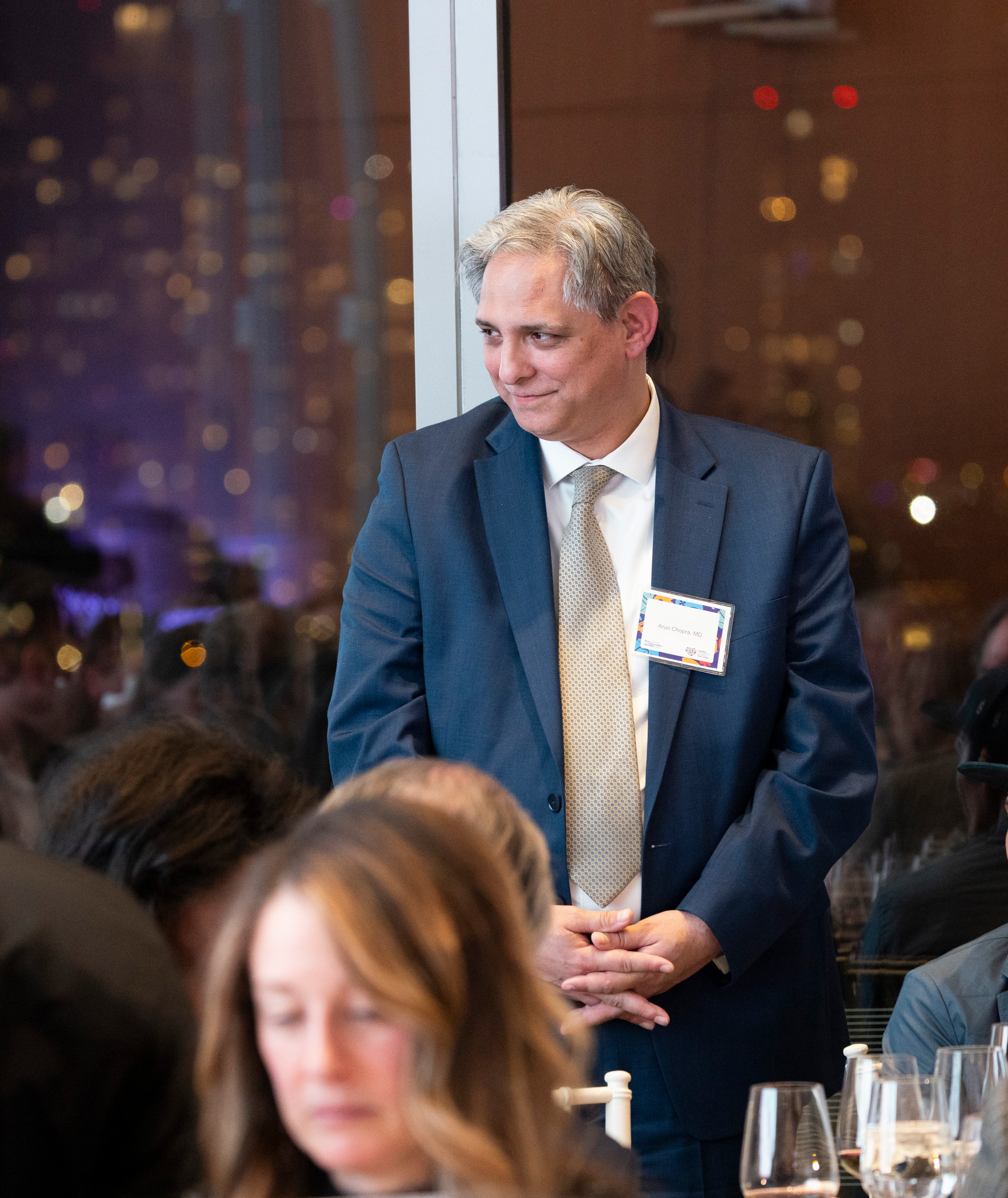
Arun Chopra, MD
Interim Chair, Department of Pediatrics, NYU Grossman School of Medicine
Chair, Department of Pediatrics, NYU Grossman Long Island School of Medicine

The Pillars of Compassionate and Safe Care
Sala at a Glance
Sala Institute delivers on a promise to continuously improve the care experience for children and their families, making care at Hassenfeld Children’s Hospital stronger, safer, and more compassionate.
Support Services and Resilience Programs
Child life, creative arts therapies, behavioral and mental health care, and other support services that bring comfort and confidence to children and caregivers.
Family Partnership Programs
Advisory councils, peer support, and tools that bring family voices into decision making and educational initiatives—improving communication, care planning, and system design.
Quality and Safety Initiatives
Programs that improve safety, elevate experience, and drive better outcomes across children’s services.
Together, these pillars lead to better experiences, safer care, and stronger recoveries.
Because of Sala
Procedures Feel
Calmer
and less frightening
for children
Care Is
Safer
more coordinated, and
more consistent
Communication
Is Clearer
with families included
at every step
Hospitals Stays
Are Smoother
more efficient, and
often shorter
Recovery Is
Stronger
emotionally, physically,
and socially
Families Feel
Heard
supported, and empowered
throughout care

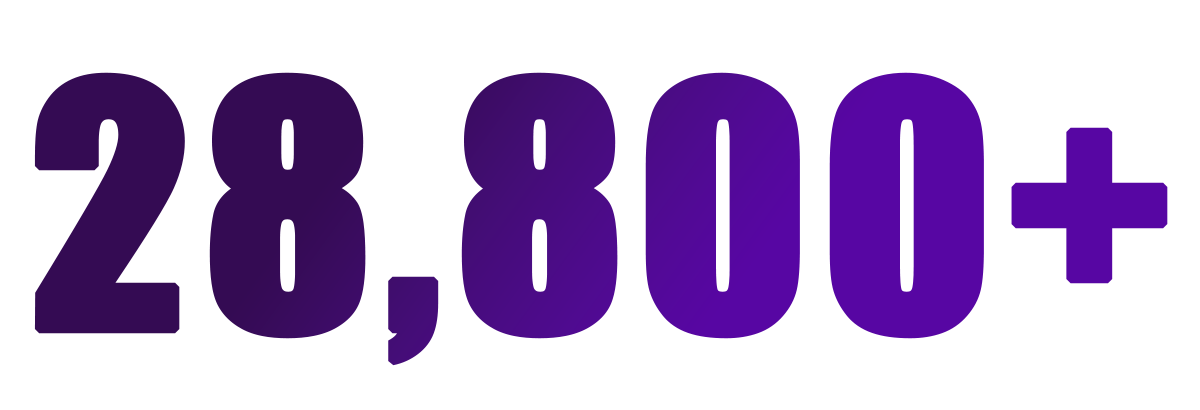
children supported by Sala in 2025
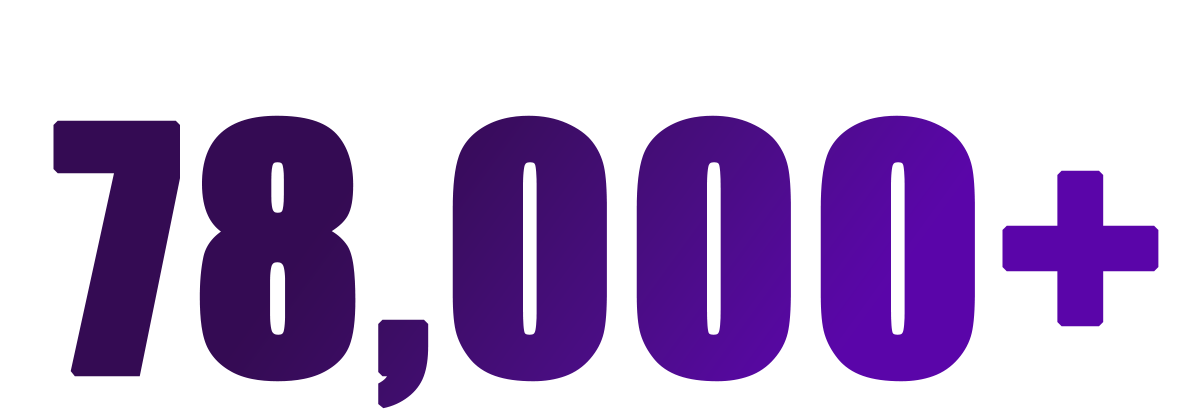
outpatient
visits
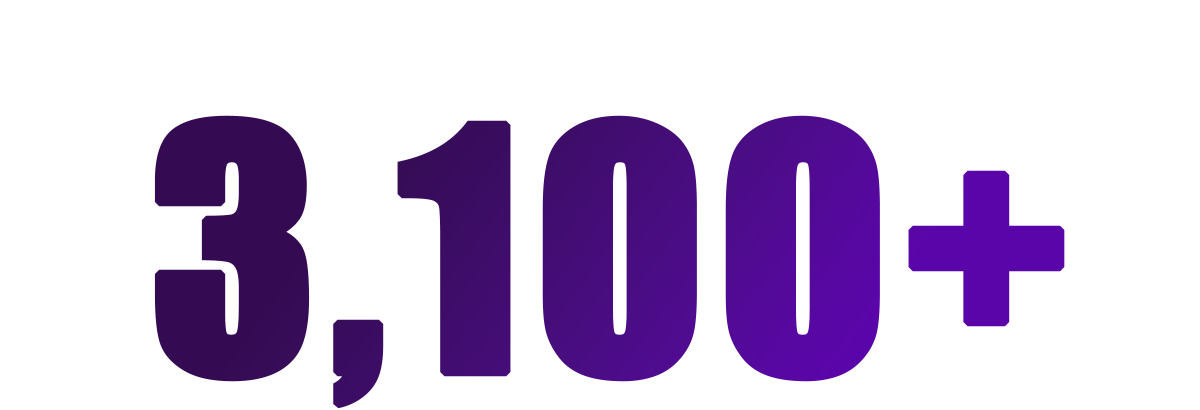
integrated behavioral
health visits

infants and children
who had surgery or a procedure

infants and children
who received inpatient care
With Sala Institute’s influence and impact in quality, safety, and experience, Hassenfeld Children’s Hospital is positioned as a nationally recognized leader in children’s health.


physicians with expertise in 35+
medical and surgical specialties

nationally ranked pediatric specialties in U.S. News and World Report’s Best Children’s Hospitals


Children’s Surgery Center verification
by the American College of Surgeons


risk-adjusted length of stay and inpatient mortality among Vizient children’s hospital cohort

pediatric network spanning
3 acute care hospitals
and 100+ ambulatory locations


risk-adjusted mortality rate in New York State for pediatric patients receiving congenital heart surgery
Sala's Timeline
From Then to Now
Since its founding, Sala Institute has grown into a cornerstone of care at Hassenfeld Children’s Hospital, continually evolving to meet the needs of children, families, and care teams.
Timeline of Sala's Remarkable Trajectory
2013-2016
Building the Foundation for Child- and Family-Centered Care
Sala establishes the philosophy, infrastructure, and partnerships that anchor child- and family-centered care at Hassenfeld Children’s Hospital.
2013: Sala Institute is founded through a leadership gift from Trudy Elbaum Gottesman and Robert Gottesman, honoring Sala Bierman Elbaum.
2014: Family and Youth Advisory Councils launch; Sala joins national pediatric safety collaboratives to strengthen quality and safety.
2015: Family-centered bedside rounds and co-designed health literacy standards are introduced; new tools identify and support families experiencing emotional distress.
2016: A comprehensive pediatric quality and safety framework is implemented, strengthening governance, metrics, and team engagement.
2017–2019
Embedding Sala into a New Children’s Hospital
As Hassenfeld Children’s Hospital opens, Sala’s model becomes integrated into the design, training, and delivery of care across the pediatric enterprise.
2017: Family advisors and quality teams shape hospital design and workflows; integrated behavioral health, palliative care, and child life services expand.
2018: Hassenfeld Children’s Hospital–34th Street and Kimmel Pavilion open, embedding Sala programs into daily care; emergency response resources for child and family distress are launched.
2019: Family-centered communication training is introduced for pediatric residents, and the Safety Coach Program launches to strengthen frontline patient safety.
2020-2022
Scaling Support, Resilience, and Care Pathways
Sala adapts and expands its model to meet rising clinical complexity, emotional need, and health system strain during and after the COVID-19 pandemic.
2020: Family-centered rounds are strengthened through updated tools that deepen partnership between families and care teams.
Behavioral health services expand in response to increased family stress and acuity during the pandemic.
2021: Sala joins a national collaboration with 25 leading children’s hospitals to advance equity in pediatric care.
2022: The Pediatric Acute Pain Management Program launches, along with new Pediatric Clinical Care Pathways to standardize evidence-based care.
2023-2025
Advancing Complex Care, Equity, and Quality
Sala accelerates progress in complex pediatric care, health equity, and quality and safety across Hassenfeld Children’s Hospital.
2023: As Hassenfeld Children’s Hospital expands to offer all solid organ transplants, Sala deepens support for transplant patients and families.
Equity Rounds launch to improve safety and outcomes for patients and families whose primary language is not English.
2024: Pediatric health equity initiatives scale, addressing disparities in readmissions, experience, and outcomes.
Quality data management is strengthened, enhancing tracking of harm, safety, and performance.
2025: Sala formalizes a bereavement program, extending connection and support to families during the most difficult moments of care.
Sala Institute's ongoing education and reinforcement of Sala Partnership Behaviors sustains best practices in child and family centered care.
2026 and Beyond
Support and Resilience Programs
The Human Side of Healing
Behind every procedure and medical decision is a child, a family, and a story.
Sala strengthens care with services that ease stress, spark joy, and bring humanity and resilience to every child and family’s journey.
Child Life
We help children understand and cope with care through play, preparation, and age-appropriate support that provides comfort and builds confidence.
Creative Arts
Our art and music therapists use creativity to help children express emotions, find joy, and build resilience during hospitalization.
Emotional and Social Work Support
We provide therapeutic support, counseling, and social work services that help children and families feel supported at every step.
Nutrition
Our registered dietitians
help children grow, heal,
and thrive through tailored nutrition guidance.
Acute Pain Management
We partner with families to manage pain before, during, and after procedures in the hospital.
Spiritual Growth
We offer inclusive spiritual care that brings comfort and continuity to families through treatment and grief.
Palliative Care
We provide holistic, interdisciplinary support to ease symptoms and promote quality of life for children at every stage of serious illness.

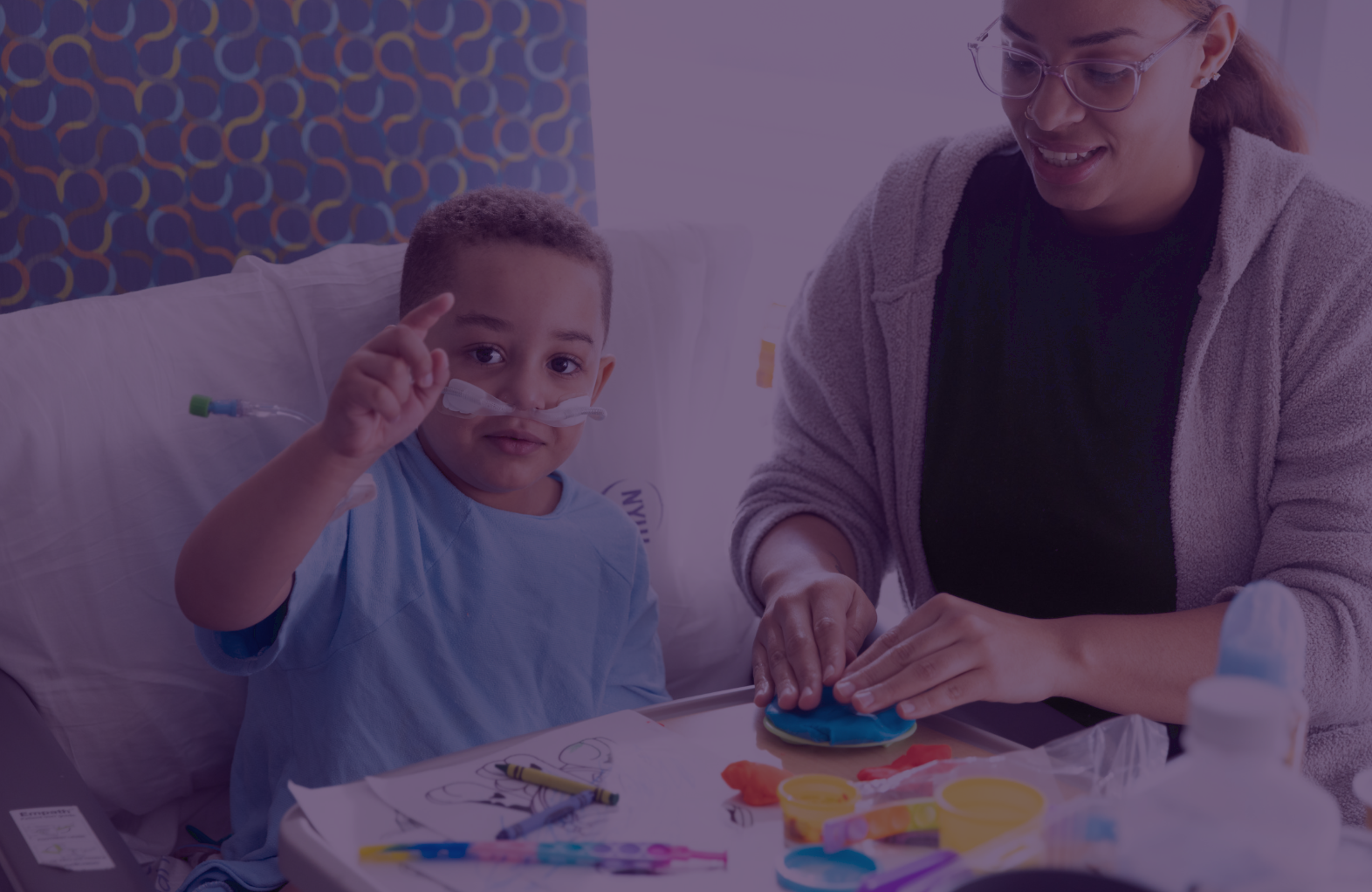







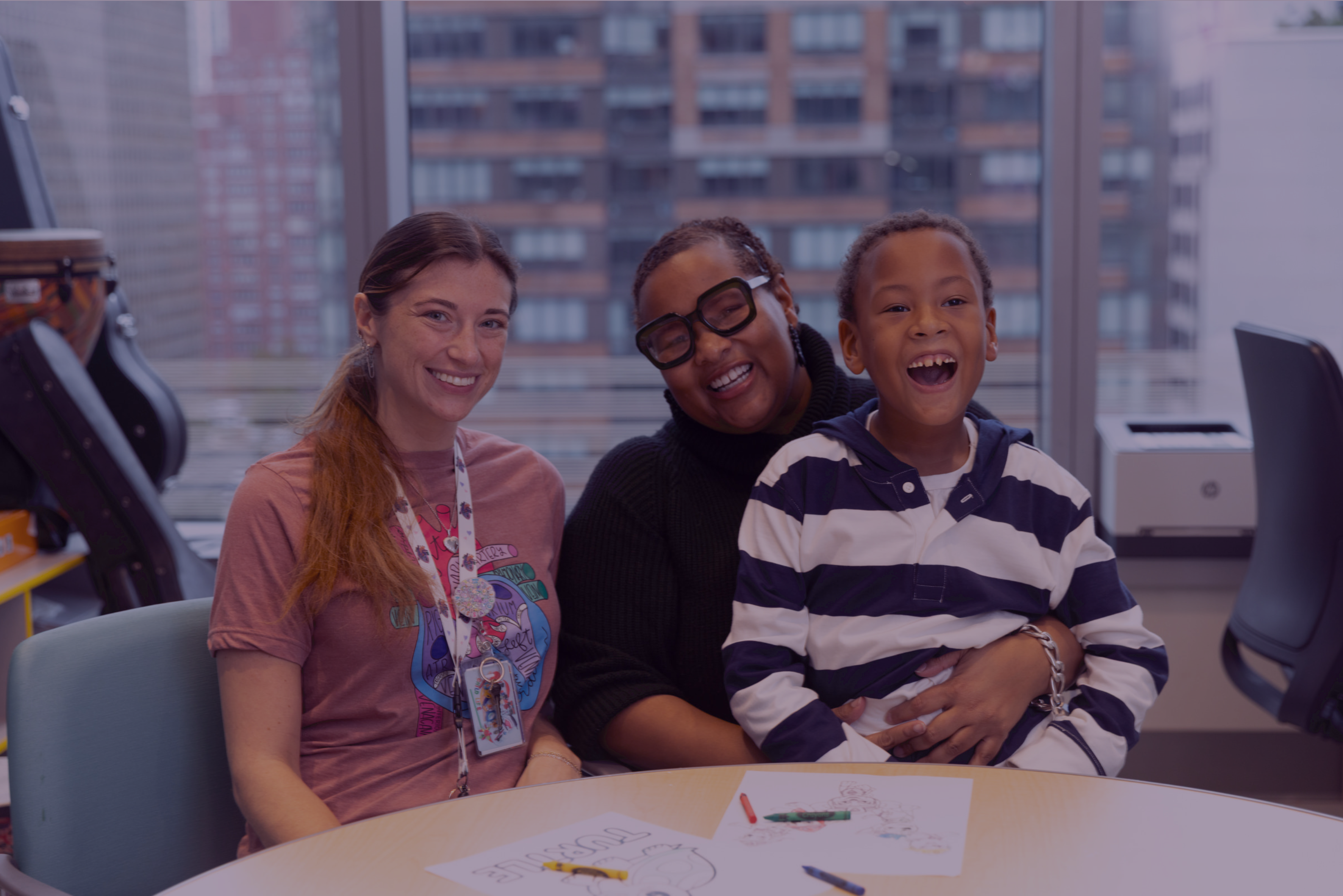
How Sala Brought
Care to Life:
2025 Highlights
The Healing Power of Play
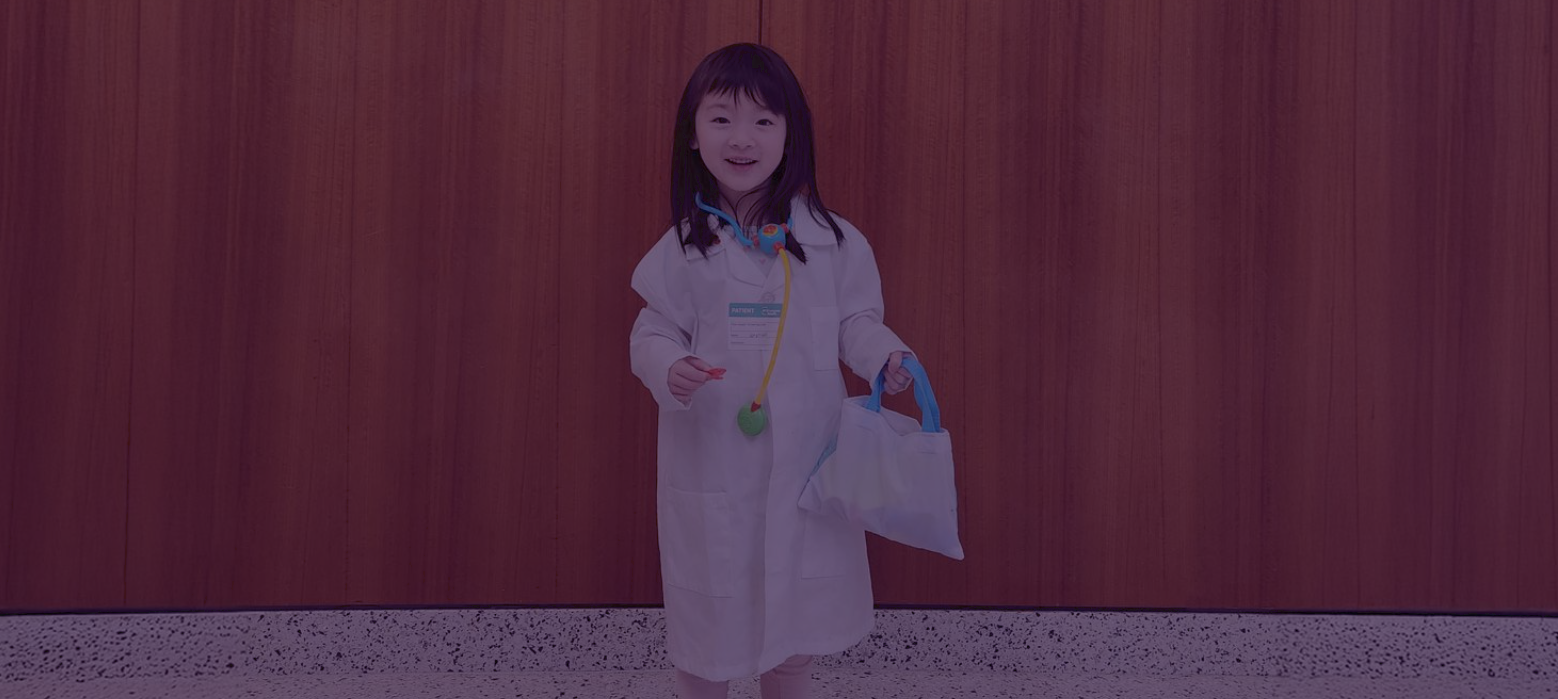
Diagnosed with a rare brain tumor at age three, Lily returns regularly for MRIs and follow-up care. With support from Sala child life specialist Lauren Maxwell, Lily uses play and imagination to make her regular MRIs feel familiar instead of frightening. By playing the role of “Dr. Lily,” she learns what to expect and feels in control—illustrating the power of play in transforming even the toughest moments of care.
“The language of kids is play, and to see Lily show up with joy and excitement, rather than fear, for every scan is a testament to the power of collaborating with her and her mom to create a fun and empowering care environment,” said Lauren.
Comfort on Four Paws
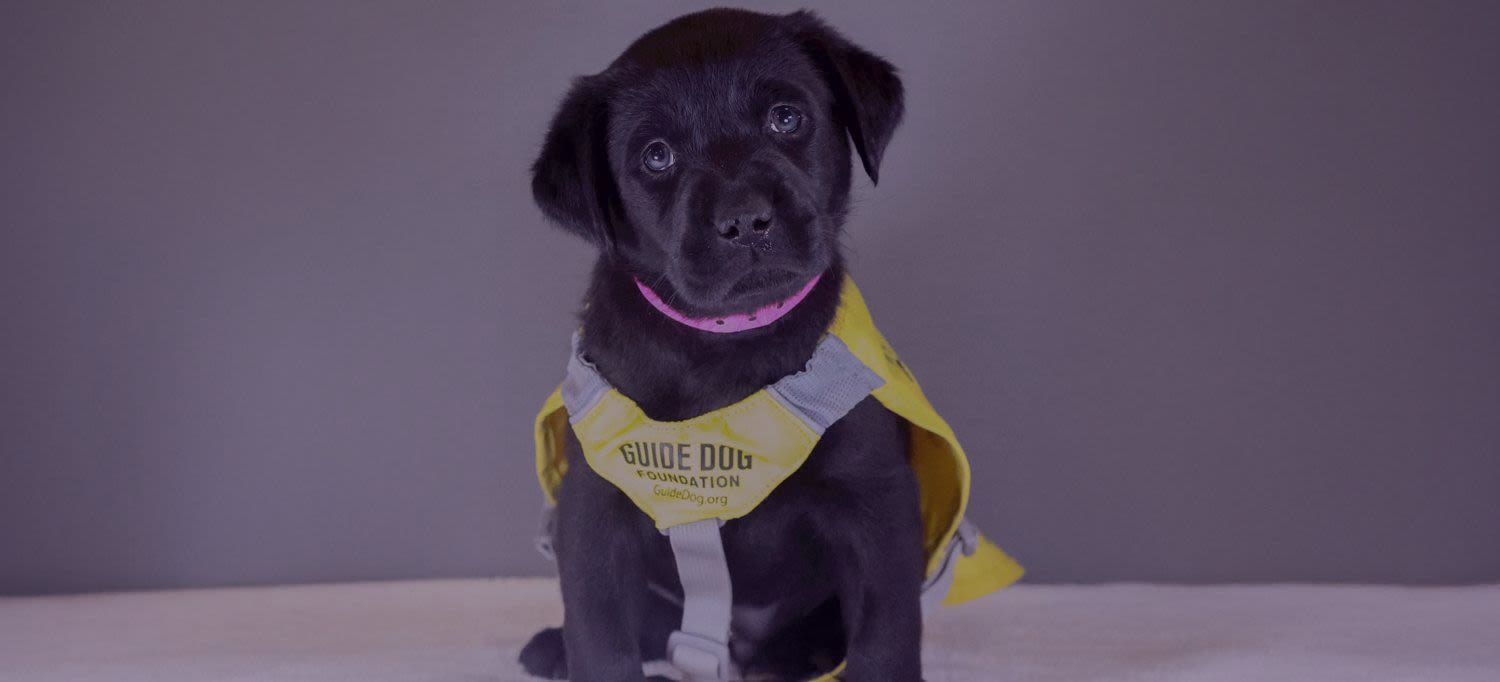
Ranger the therapy dog brings joy and calm to patients during hospital stays through Sala’s pet therapy. A recent visit with New York Rangers legend Adam Graves lifted spirits across Hassenfeld Children’s Hospital, offering families a welcome break from stress. Ranger’s gentle presence is a reminder that healing includes moments of connection, comfort, and play.
Every Cuddle Counts
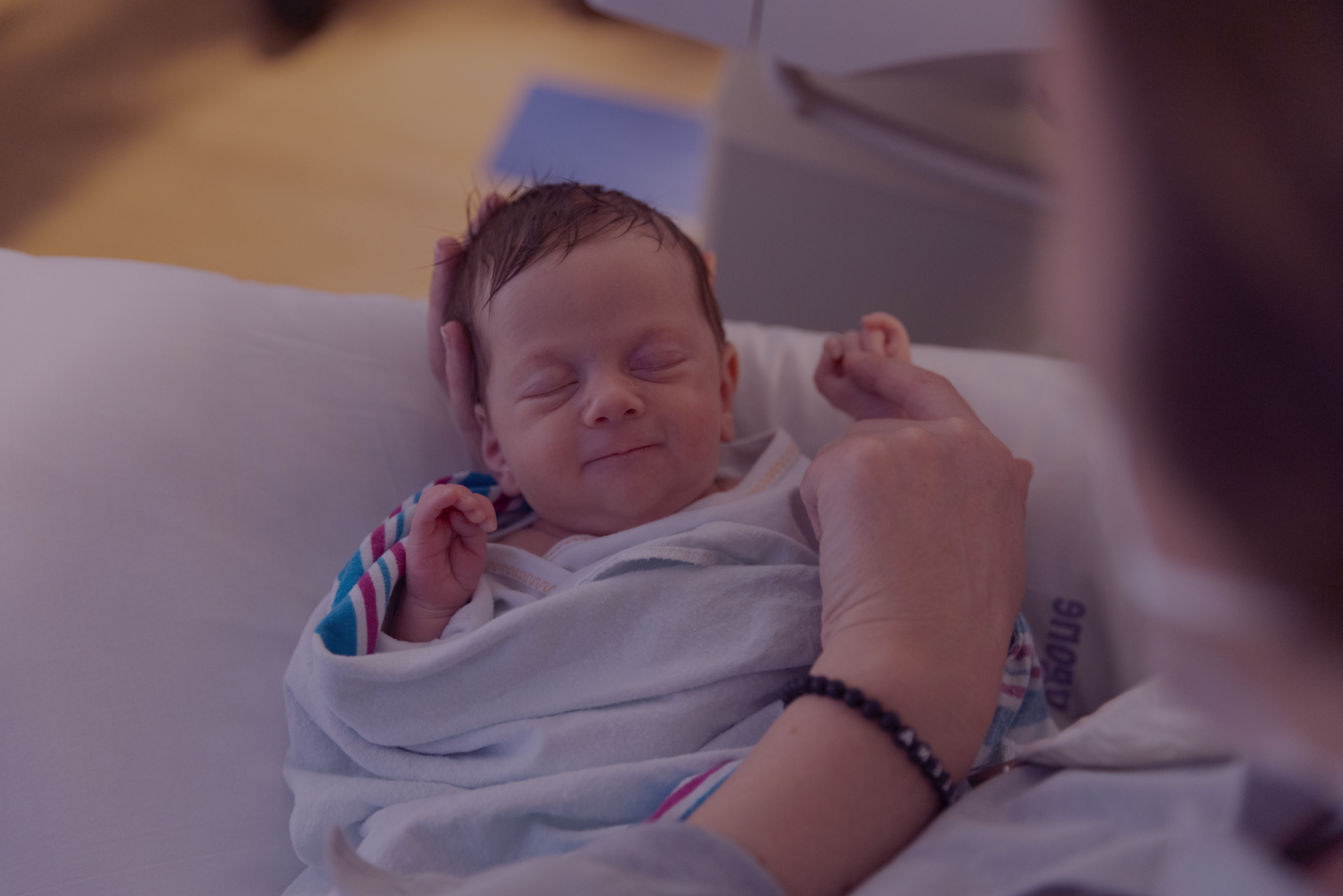
Part of the NICU Cuddler Program, which was developed with support from Sala Institute, the Snuggle Squad provides soothing, hands-on comfort to premature and sick infants when families can’t be at the bedside. This nurturing contact supports early cognitive and social development—and cuddler programs like this have been shown to reduce stress and even shorten NICU stays.
Finding Strength Through Music
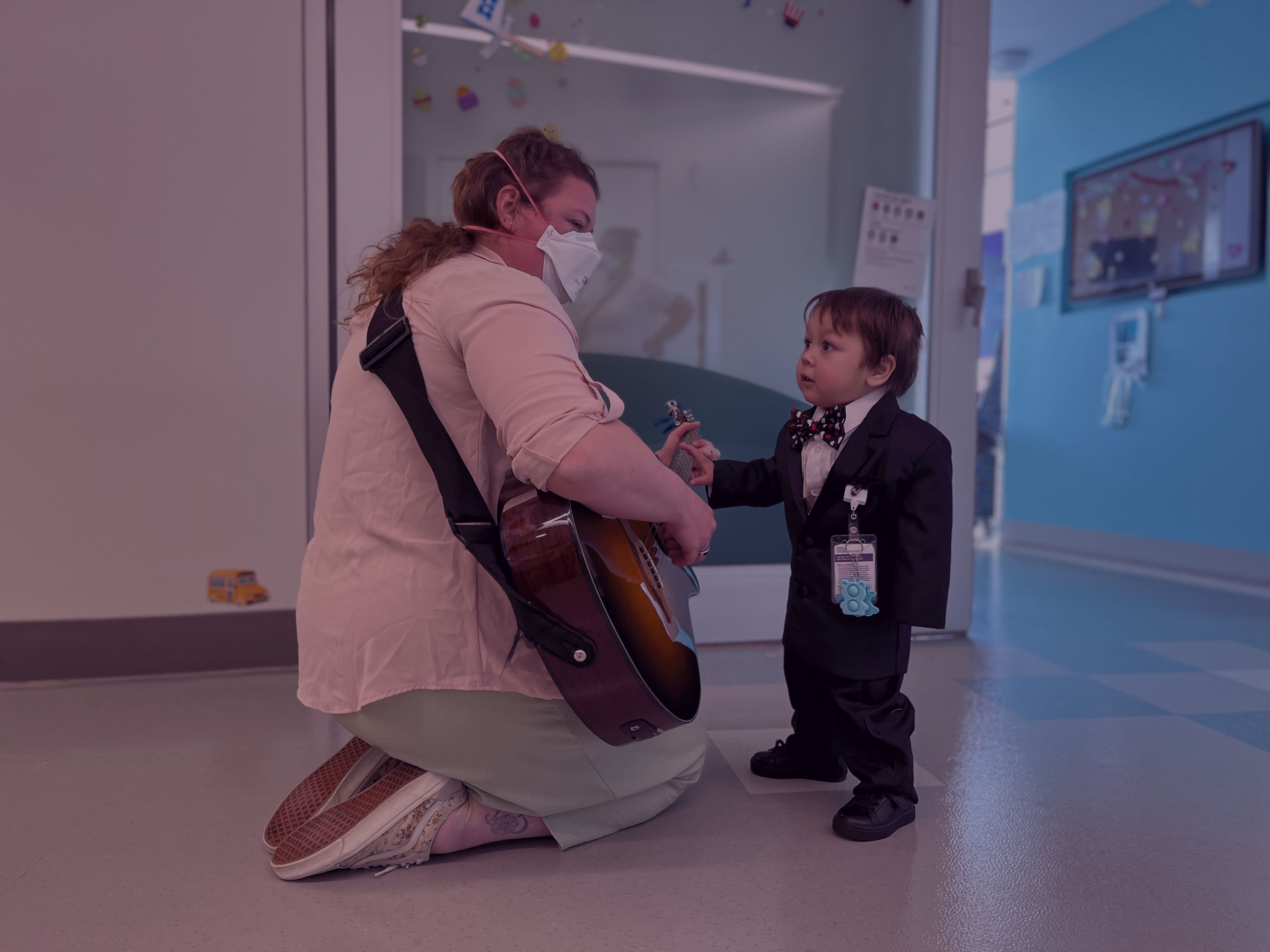
After 351 days in the congenital cardiovascular care unit, two-year-old Wyatt went home with a new heart, cheered on by a Sala-powered discharge parade.
During Wyatt's long wait, Sala’s music therapy helped him cope, express himself, and hold on to joy—reminding us how emotional and creative supports sustain children through the hardest medical journeys.
Support That Continues After Loss
For many families, the grief of losing a child is compounded by a sudden “secondary loss”: the disappearance of the nurses, doctors, specialists, and fellow parents who became their daily support system. Sala’s Bereavement Program provides structured support groups and individualized follow-up that maintains connection, continuity, and community after the loss of a child.
This past year, the program supported families through facilitated support groups, a memorial gathering, and personalized follow-up from bereavement specialists. Language-specific groups ensured that families who speak languages other than English could participate fully. The program is growing to include bereaved parents, who bring empathy and shared experience.
“Sala’s child life specialist in the NICU encouraged me to read to my baby, who was less than a pound and a half. I was searching for ways to connect and never would have thought of doing this on my own, but I read to him every day after that. Miles started reading at age two, and I believe this is why. Sala did that.”
— Kiki, a grateful parent and Sala Family Advisor
Quality, Safety, and Experience
Building Safer Care Together
Through data-driven quality efforts and family partnership, Sala supports safer systems and better experiences for children and families.
Systems That Continuously Improve
Sala strengthens pediatric care by building systems that prevent harm, improve reliability, and evolve through ongoing learning.

years without
a fall with
injury

years without a
catheter-associated urinary tract
infection

reduction since last year in central line–associated bloodstream infection rates

reduction since last year in C. difficile infection rates

percentile rank in overall rating of hospital by families across inpatient pediatric units
Sala Institute leads Hassenfeld Children’s Hospital’s participation in national quality and safety collaboratives, which provide forums for sharing data, benchmarking outcomes, and advancing best practices at scale.
While adopting these standards is essential, Sala also advances innovative quality, safety, and experience initiatives that go beyond current national frameworks—developing innovative approaches that have not yet become standard practice.

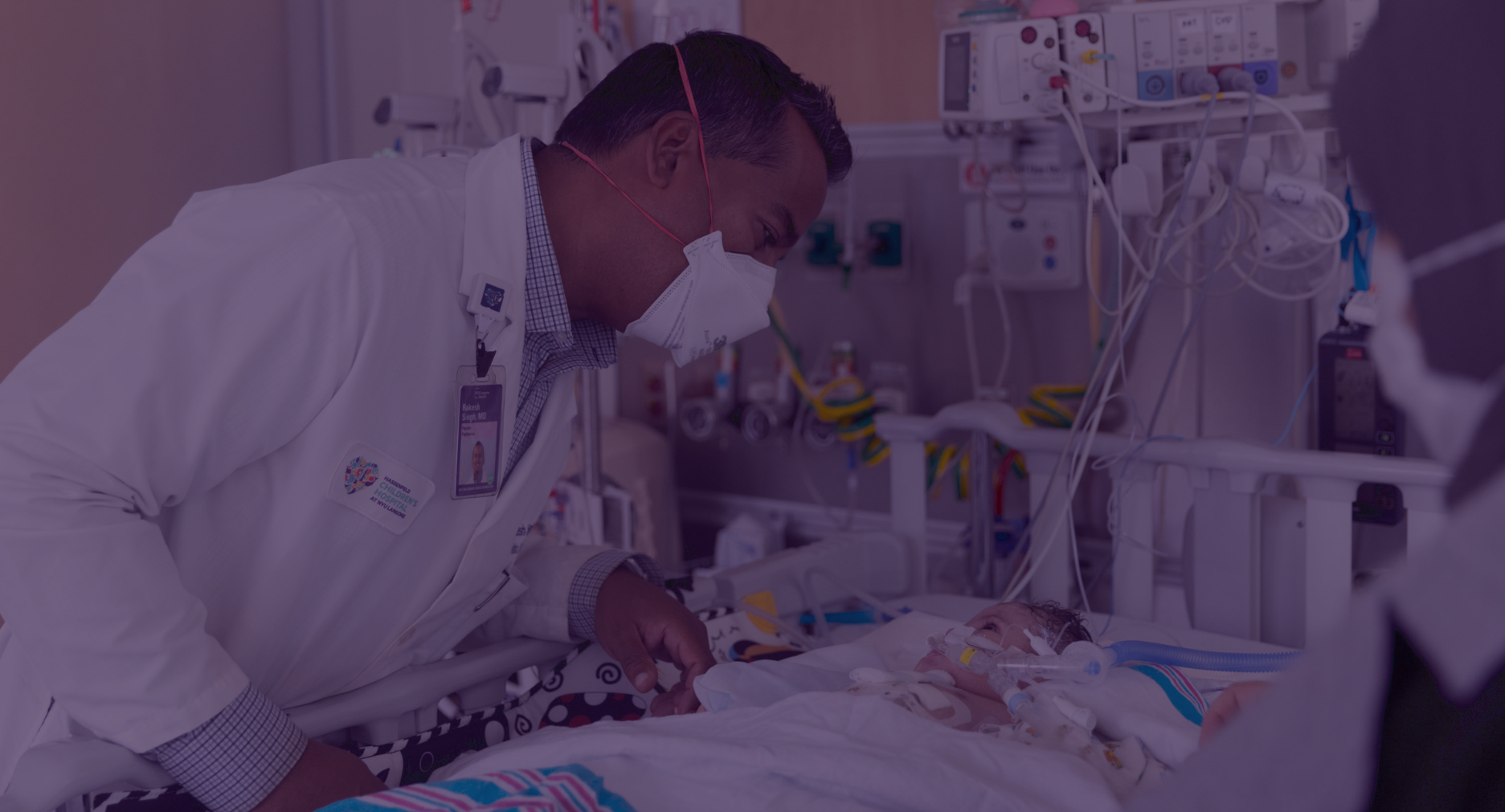

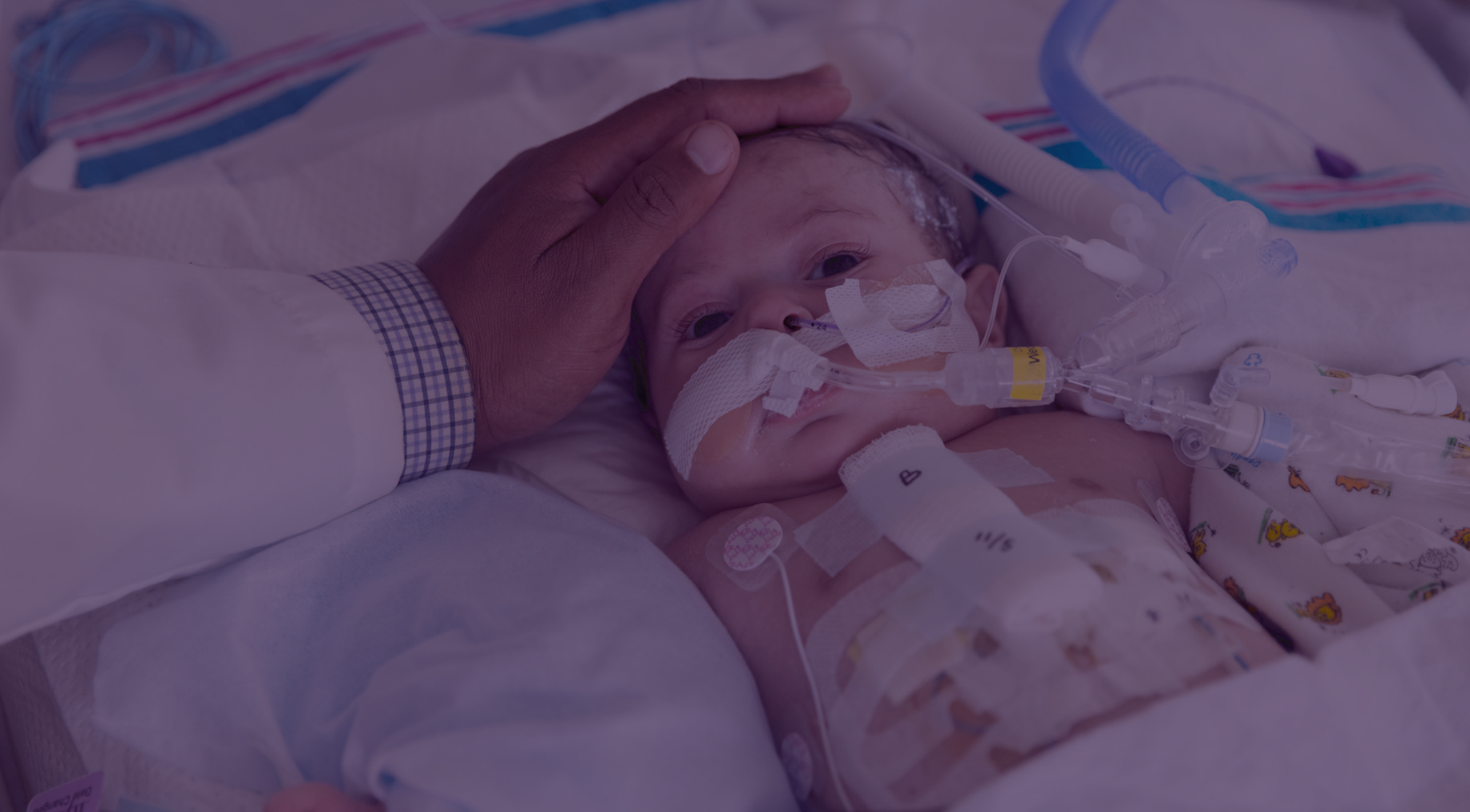
Sala Quality and Safety Initiatives launched in 2025
Targeted Medication Safety Improvements Increase Compliance
In FY25, Sala led a medication safety effort focused on understanding how medications are administered in real time at the bedside. Frontline staff interviews and observations revealed gaps between expected and actual practice. Through redesigned audits, targeted education, and improved data tracking, the effort has resulted in increased safety and sustained improvement, with compliance to standard medication safety practices now consistently above 90 percent. Sala will continue to lead the ongoing surveillance and improvement work related to medication administration safety as part of its quality and safety initiatives.
Standardized Practices Reduce Device Dislodgement Risk
In FY25, Sala launched a new, hospital-wide device dislodgement prevention committee that expanded existing work focused on the dislodgement of endotracheal tubes to now include dislodgement of all medical devices. By standardizing definitions, tracking events, and reviewing processes, the group has identified higher-risk device types and informed targeted dislodgement prevention strategies. To date, this work has led to standardized securement practices for central lines, helping reduce risk for children who depend on these devices.
Embedding Partnership in Practice
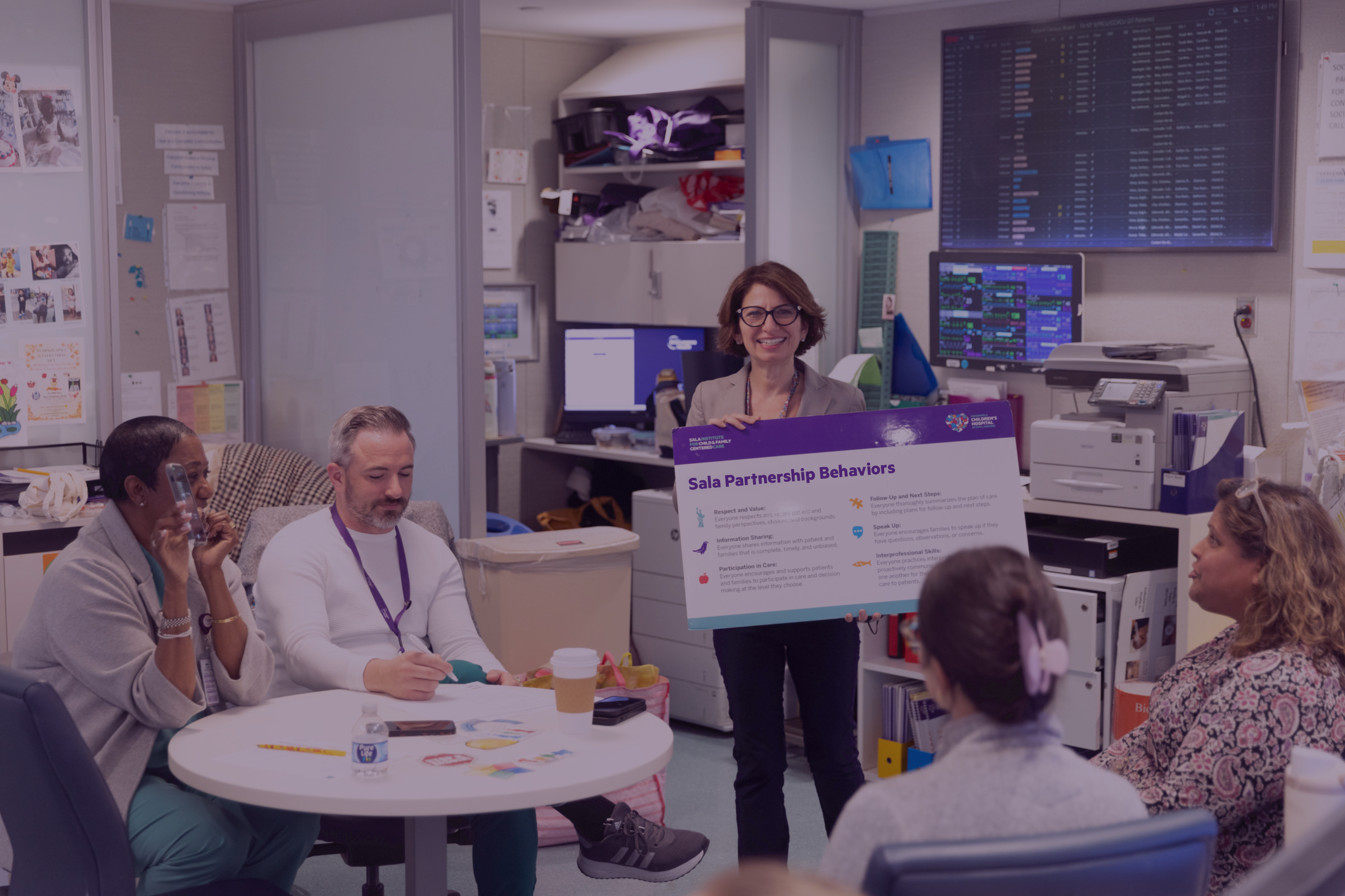
In FY25, Sala launched the Sala Partnership Spotlight, a new program designed to reinforce child- and family-centered care across pediatric units.
Integrated into team and unit huddles, the spotlights create space for meaningful conversations about safe, compassionate care and highlight six core Sala Partnership Behaviors.
Through naming these behaviors and sharing real stories that highlight their importance, Sala is continuously teaching and fortifying the care that all team members provide at Hassenfeld Children’s Hospital.
Since August, the program has reached more than 600 staff members, highlighting real examples of partnership behaviors in action and helping embed these ideas more deeply into everyday practice.



Care Guided by Those Who Live It
At Sala Institute, families are not just recipients of care—they are essential partners in improving it. By bringing family and youth voices into quality, safety, and experience work, Sala helps ensure that care reflects the real needs and perspectives of those we serve.

Sala Family Advisors

Sala Youth Advisors

hours contributed through council meetings, education simulations, project committees, and materials review
“The impact the Sala Youth Advisory Council has on participating youth is one of the most incredible aspects of Sala. For children like my son who have spent significant time in the hospital to feel a sense of community and understanding with other patients, while turning their challenging experiences into a way to give back, is extraordinary.”
— Allyson, Sala Family Advisor
Community and Philanthropy
The Power Behind Sala
Community support makes Sala’s work possible—from sustaining everyday services to creating moments of joy, connection, and healing beyond the hospital walls.
Powered by Supporters
Thanks to extraordinary donor generosity, support for Sala grew significantly in FY25—
reflecting both deep confidence in our mission and growing recognition of the essential role Sala plays across Hassenfeld Children's Hospital.
Donor investment has been — and will remain — critical to sustaining essential Sala care, the vast majority of which is not reimbursed by insurance, as Hassenfeld Children's Hospital continues to grow.


raised in support of Hassenfeld Children's Hospital,
$8.9M of which was raised in support of Sala Institute, +49% over FY24

Support for Sala's Expanding Impact
$4.7M in FY22
As the children’s hospital has grown, so too have the needs of Sala Institute to deliver the most comprehensive child- and family-centered care.
$4.3M in FY23
Philanthropic support for Sala has increased steadily—reflecting growing recognition of the essential role family partnership, emotional support, and safety play in pediatric care.
$5.9M in FY24
Donor investment has been — and will remain — critical to sustaining essential Sala care, the vast majority of which is not reimbursed by insurance, as Hassenfeld Children's Hospital continues to grow.
$8.8M in FY25
This momentum has enabled Sala to expand its reach, strengthen hospital-wide systems, and meet rising demand with depth, consistency, and compassion.
"Sala is made possible because of philanthropy. The roots of Sala have grown and strengthened from the seeds of your invaluable philanthropic support. None of what Sala has become would have been possible without a community so dedicated to, and passionate about, child and family centered care."
— Nell Shanahan, Sala Circle Chair
Sala-brating, Together
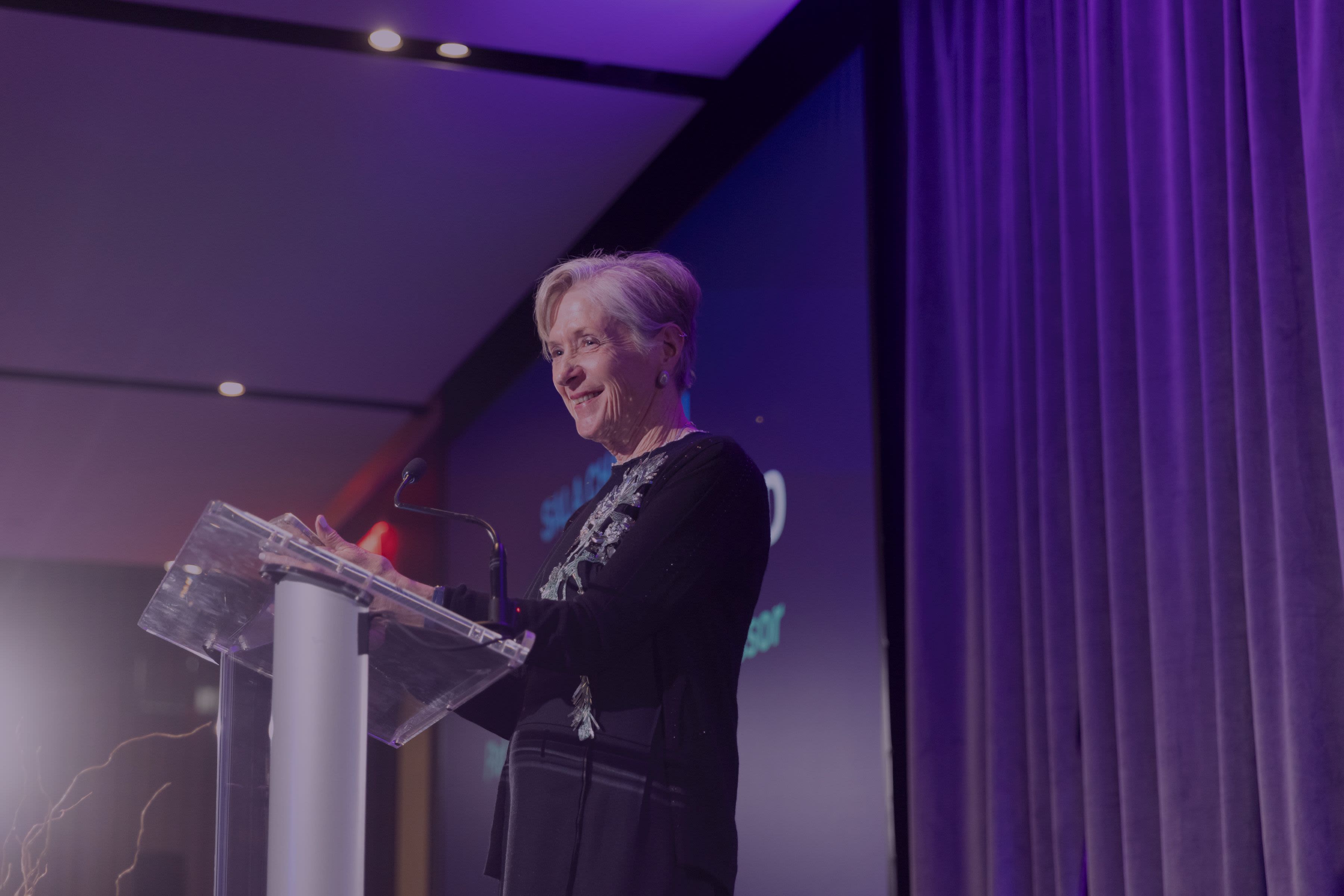
On November 3, 2025, our community came together to celebrate the extraordinary impact of Sala Institute for Child and Family Centered Care at Hassenfeld Children’s Hospital and to honor Catherine S. Manno, MD, a leader whose vision and dedication have transformed care for children and families.
This year’s Sala-bration welcomed 150 guests and raised more than $1.3 million in support of Sala Institute.

CAMP Cares
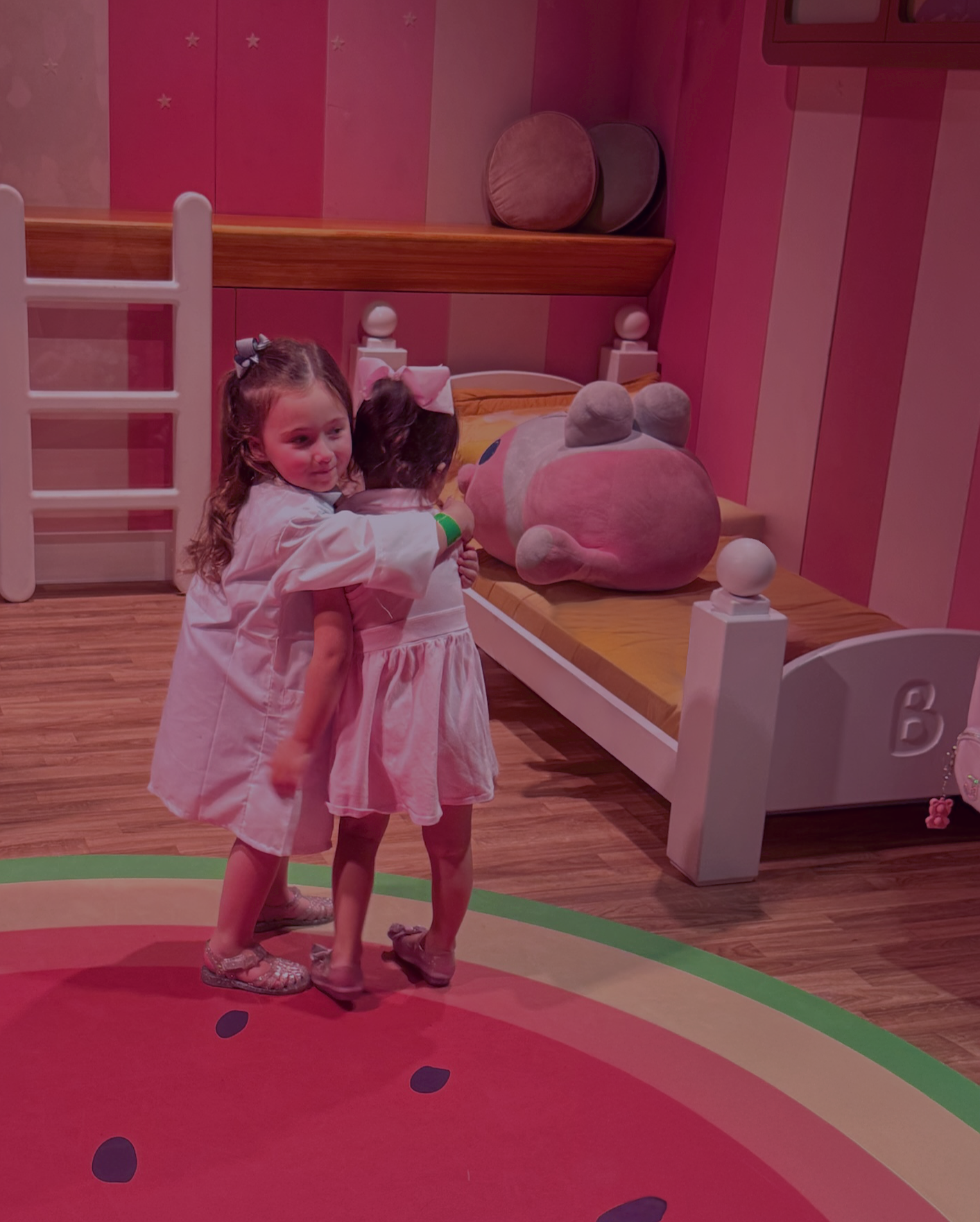
In September 2025, Hassenfeld Children’s Hospital partnered with CAMP, the immersive play space, to host the inaugural CAMP Cares event for families. Held at CAMP’s Manhattan location, the full-space takeover brought together children and families from across our pediatric community for a day of music, crafts, and play, led by Sala child life specialists. The event created meaningful opportunities for joy, connection, and emotional support beyond the hospital setting.

Engaging Leaders in Pediatric Health
In February 2025, NYU Langone and Sala Institute hosted members of the Metro New York Chapter of the Young Presidents’ Organization for Transforming Pediatric Healthcare Through Technology, a breakfast learning session focused on innovation in children’s care. With special thanks to Jay Eisenstadt, the event welcomed 19 executive leaders and created new opportunities to engage future philanthropic partners in Sala’s mission.
Families Giving Back
The James Krystalla Foundation hosted a golf outing that raised $350,000 in support of Hassenfeld Children’s Hospital, including Sala Institute. Founded by Michael and Stefani Krystalla in honor of their son James—who was successfully treated for leukemia at Stephen D. Hassenfeld Children’s Center for Cancer and Blood Disorders—this event reflects the powerful role families play in giving back and sustaining care.
Sala's Next Chapter
Strength for Tomorrow
As Hassenfeld Children’s Hospital enters a new era of leadership and growing complexity in children’s health, Sala’s next chapter will ensure our model continues to evolve for the children, families, and communities who rely on us.
Deepening Our
Reach
As Hassenfeld Children's Hospital continues to expand beyond our largest location in Manhattan, Sala is growing alongside them—bringing child- and family-centered resources and programs to children and families across Greater New York City and into Long Island.
Supporting Emerging and Specialized Care
As pediatric medicine advances, Sala’s role becomes even more essential. From congenital heart care and inflammatory bowel disease to fetal surgery and transplant services, we help ensure that families are heard and supported through increasingly complex journeys.
Caring for Our Most Vulnerable Patients
In our neonatal and pediatric intensive care settings, Sala is deepening its focus on the supports families need during the most critical moments of care. Through child life services, family partnership, psychosocial support, and enhanced communication, we help families feel connected and informed.
Thank You for Believing
in the Importance of Children's Health
Your support of Sala Institute for Child and Family Centered Care has contributed to a transformational impact on the care of children and families at Hassenfeld Children’s Hospital and beyond—today and for years to come. Sala programs, when coupled with advances in medical care and technology, provide the exceptional quality and experience of care families rely on.
Named in honor of Sala Bierman Elbaum, the institute reflects her profound commitment to nurturing and supporting others, despite her own unimaginable experiences and losses due to the Holocaust. Sala's warmth and empathy for those facing adversity serve as a north star for the institute's mission. Just as Sala devoted herself to others, Sala Institute is dedicated to providing compassionate care through emotional and psychosocial support, creating deeper partnerships with families, and advancing safety initiatives.
Thank you for standing with us—and with the children and families who depend on Sala every day.
With gratitude,
Trudy and Bob
Trudy Elbaum Gottesman and Robert Gottesman
Co-founders, Sala Institute for Child and Family Centered Care
This report is dedicated to the loving memory of Steven S. Elbaum, whose life reflected the values of family and compassion at the very heart of Sala Institute. Steven was the beloved husband of Sala Circle member Judy Elbaum and cherished brother and brother-in-law of Sala co-founders Trudy Elbaum Gottesman and Robert W. Gottesman.
Steven left an indelible mark on all who knew him and touched countless lives through his generosity, kindness, and steadfast commitment to helping others. Steven supported efforts deeply aligned with his principles, including Sala Institute, and his legacy continues to resonate in the lives of the children and families who rely on Sala at Hassenfeld Children’s Hospital.
Sala Institute Leadership Team
Rachel Ramsey, MHA
Director, Sala Institute
Rachel Ramsey leads Sala Institute and is responsible for ensuring integration of programs and services for children and their families within Hassenfeld Children’s Hospital. In collaboration with the children’s services leadership team, she oversees, develops, and implements key priorities in the areas of child and family experience, child and family support programs, and patient safety and quality.
Rachel has been with NYU Langone since 2013, beginning her career as an administrative fellow in the office of the chief of hospital operations.
She received her master of health administration and bachelor of science in policy analysis and management from Cornell University.
Ryan Calhoun, MHA, MBA
Vice President, Hassenfeld Children’s Hospital
Ryan Calhoun leads Hassenfeld Children’s Hospital and is responsible for
the oversight of hospital operations as well as inpatient and ambulatory care. In collaboration with the children’s services leadership team and numerous NYU Langone Health system leaders, he oversees the day-to-day operations and the hospital’s quality, safety, patient experience, efficiency, and financial performance. Additionally, he partners with clinical and administrative leaders to advance strategic growth and expansion plans for children’s services at NYU Langone.
Ryan joined NYU Langone in September 2024 after serving as chief strategy officer at Connecticut Children’s and working previously at Children’s Hospital Colorado.
He received his master of health administration and master of business administration degrees from University of North Florida. He received his bachelor of arts in journalism and mass communication from the Walter Cronkite School of Journalism at Arizona State University.
Erin Collins, MSW, LCSW
Assistant Director, Social Work Department
As a pediatric medical social worker at various New York City hospitals, Erin Collins, MSW, LCSW, has devoted her practice to helping children, adolescents, and families cope with and adjust to chronic and life-threatening illnesses. She is currently the assistant director in the social work department for Sala Institute and oversees pediatric and perinatal bereavement programs. Erin has a special interest in the psychological, emotional, and social effects of childhood illness, grief and bereavement, and family-centered care.
Erin received her master of social work degree from Columbia University School of Social Work in 2006 with a specific focus on health, mental health, and disability services.
Jami Egorow, MS, CCLS
Clinical Manager, Therapeutic Recreation, Child Life and Creative Arts Therapies
Jami Egorow, MS, CCLS, is a certified child life specialist and the clinical manager of therapeutic recreation, child life and creative arts therapies for Sala Institute. She is responsible for managing the therapeutic recreational and creative arts programs and services provided to children in pediatric inpatient units and outpatient locations across Hassenfeld Children’s Hospital. In her new role, Jami is looking forward to helping grow and support the department and the exciting work at Sala Institute and Hassenfeld
Children’s Hospital.
In August 2014, she joined the department as an inpatient child life specialist helping children to express themselves and better understand their illness or treatment. In this role, she aims to facilitate children’s positive experiences, build confidence, and ease anxiety. Previously, she worked for one year as a child life fellow at Maria Fareri Children’s Hospital at Westchester Medical Center in New York.
Jami graduated from the University of Michigan in 2011 with an undergraduate degree in psychology. In 2013, she graduated from Bank Street College with a master’s degree in child life and passed the certification exam to become a certified child life specialist.
Becky Lois, PhD
Clinical Associate Professor, Department of Child and Adolescent Psychiatry
Co-Director, KiDS of NYU Foundation Integrated Behavioral Health
As the co-director of the KiDS of NYU Foundation Integrated Behavioral Health Program, Rebecca Lois, PhD, supports patients who have chronic health conditions, including cystic fibrosis, diabetes, asthma, heart disease, and gastrointestinal conditions. She works closely with the medical teams at several ambulatory locations where she oversees the psychosocial support programs to ensure that patients and families receive care that addresses their emotional needs.
Dr. Lois earned a PhD from Fairleigh Dickinson University in 2011 and a bachelor’s degree from the University of Pennsylvania. She is a member of the Society of Pediatric Psychology and serves on several special interest groups within that society, including solid organ transplant, adolescent and young adult health, adherence, and caregiver well-being.
Katherine Ort, MD
Assistant Professor, Department of Child and Adolescent Psychiatry and Pediatrics
Co-Director, KiDS of NYU Foundation Integrated Behavioral Health
Katherine Ort, MD, is an assistant professor of child and adolescent psychiatry and pediatrics and co-director of the KiDS of NYU Foundation Integrated Behavioral Health Program.
As a triple-boarded pediatrician and child and adolescent psychiatrist, her passion is in supporting medically ill children and their families. She is an attending physician on the consultation-liaison service at Hassenfeld Children’s Hospital and chief of service, child and adolescent psychiatry, at Hassenfeld Children’s Hospital. She also provides collaborative mental health care within the Robert I. Grossman, MD, and Elisabeth J. Cohen, MD, Pediatric Diabetes Center and in the Stephen D. Hassenfeld Children’s Center for Cancer and Blood Disorders.
Dr. Ort earned her medical degree from NYU Grossman School of Medicine in 2013. She completed a pediatric residency and an adult psychiatric residency at UC San Francisco, followed by a fellowship in child and adolescent psychiatry at Stanford University Medical Center.
Alon Shertzer, MD
Clinical Assistant Professor, Department of Anesthesiology,
Perioperative Care, and Pain Medicine
Medical Director, Pediatric Acute Pain Management
Alon Shertzer, MD, is a clinical assistant professor of anesthesiology, perioperative care, and pain medicine at Hassenfeld Children’s Hospital and medical director of pain management for Sala Institute.
He is focused on pediatric acute pain and pediatric regional anesthesia, developing and instituting new protocols for surgical and medical pain management. Additionally, he works with the pediatric anesthesiology team, residents, and fellows to teach peripheral and neuraxial nerve block techniques as part of the mission of helping pediatric patients with pain management after surgery.
Dr. Shertzer earned his medical degree from Northwestern University in 2016. He completed a residency in anesthesiology and a fellowship in pediatric anesthesiology from Columbia University Medical Center. He is a member of numerous professional organizations, including the American Society of Anesthesiology, the Society for Pediatric Anesthesiology, the Society for Pediatric Pain Medicine, and the New York State Society of Anesthesiologists.
Deborah Tagliareni, MS, RD, CDN, CLC
Clinical Nutrition Manager
Deborah Tagliareni oversees pediatric nutrition for Sala Institute. She supports pediatric nutrition education through activities and events for patients, families, and the professional community.
Deborah previously worked as an inpatient dietitian at NYU Langone. She graduated from Northwestern University and completed her master of science in clinical nutrition at New York University.
Christine A. Zawistowski, MD
Clinical Associate Professor, Department of Pediatrics
Medical Director, Pediatric Palliative Care
Dr. Zawistowski is a board certified and practicing pediatric intensivist and palliative care physician. Since joining NYU Langone in 2012, she has been an active member of the pediatric palliative care team for Sala Institute. She credits her passion for improving quality of life for children with serious illness to her previous experiences at St. Jude Children’s Research Hospital, Kravis Children’s Hospital at Mount Sinai, and the Bristol Meyers Squibb Children’s Hospital at Robert Wood Johnson University Hospital, where she served as the medical director of its pediatric palliative care team.
In 2019, she completed a fellowship in integrative medicine at the Arizona Center for Integrative Medicine and was the physician lead for the Pediatric Integrative Medicine Program at Hassenfeld Children’s Hospital. She is a graduate of the Annual Pediatric Master Pain Class at Children’s Hospital of Minnesota and is an EPEC-Pediatrics trainer. She is currently the medical director of the Pediatric Advanced Care Team.